
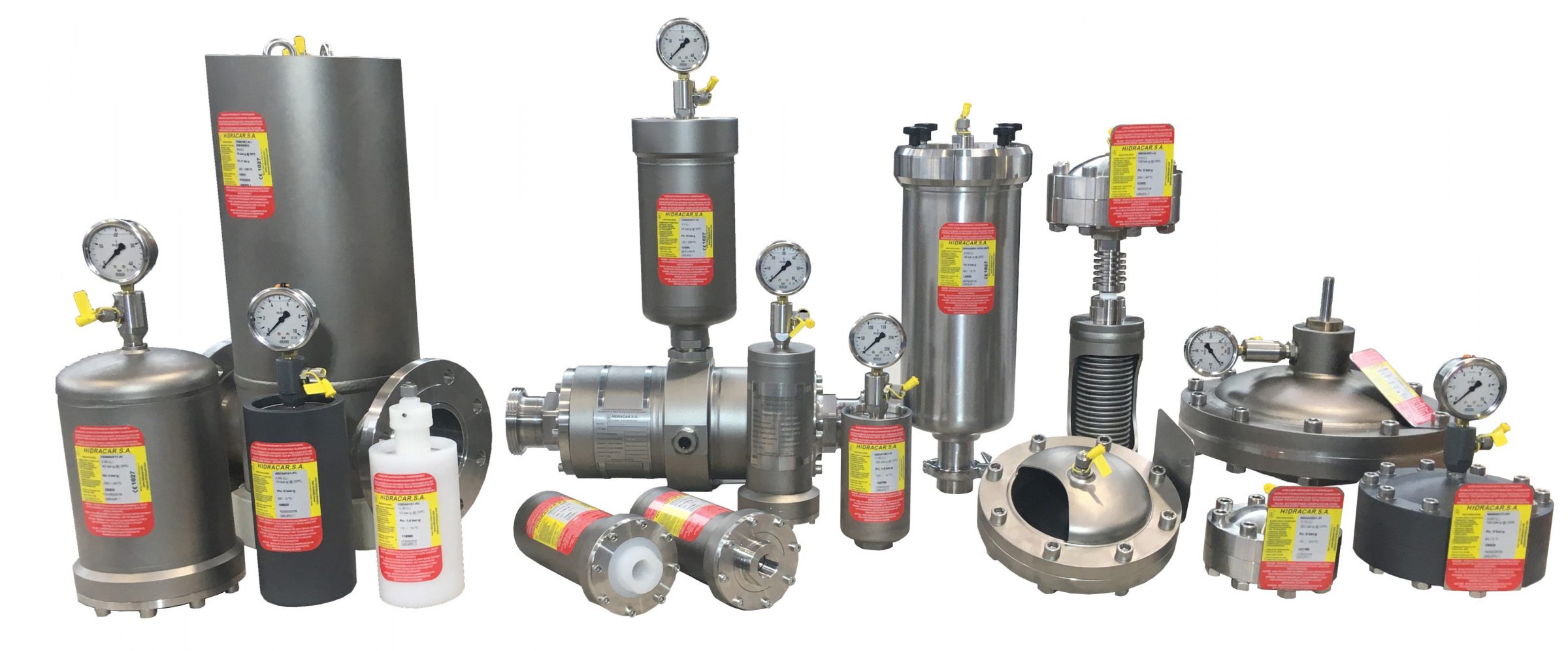
Pulsation dampeners with pressure gauges are an important tool in the pump and flow system industry. These tools are typically used to control and reduce pressure peaks in pneumatic double diaphragm pump systems. In this article, we will take a deeper look at this tool and its applications.
History and identification
Pulsation dampeners with pressure gauges were first developed in the 1970s as a solution for controlling pressure in pump and flow systems. These devices are commonly used in various industries such as the petroleum, chemical, and irrigation industries.
Application and features
Pulsation dampeners with pressure gauges are typically applied to pneumatic double diaphragm pumps. These devices can reduce pressure peaks that, if not controlled, can damage system components. Key features of these devices include:
- Reducing pressure peaks : Reducing sudden and amplifying pressures in the system.
- Flow control : Creating uniformity in flow and reducing compressive stresses.
- Most effective application : Use in pneumatic dual diaphragm pump systems.
How it works
A pressure gauge pulsation dampener is typically constructed using a flat PTFE diaphragm that is capable of handling sudden pressure surges. When the system experiences a pressure drop, the flow stabilizer gradually begins to inject the stored fluid and increase the pressure.
Benefits
Using a pulsation dampener with a pressure gauge offers benefits such as reducing compressive stresses, extending system life, and reducing the need for frequent repairs. These devices can help reduce operating costs and increase system efficiency.
Conclusion
A pulsation dampener with a pressure gauge is an important tool in controlling and reducing pressure peaks in pump and flow systems. Using these tools can help reduce pressure stresses, extend system life, and reduce the need for frequent repairs. To choose the best pulsation dampener, you should consider the characteristics and needs of your specific system and consult with reputable experts.